Working Notes on Agent Systems/Brad Zhang

@teach_fireworks / X longform

In-depth analysis of the core mechanism of the AI ​​Agent system The background and motivation for the birth

In-depth analysis of the core mechanism of the AI ​​Agent system The background and motivation for the birth of Subagent: When using general-purpose Agent products or...

March 16, 2026 · 1 min read

In-depth analysis of the core mechanism of the AI ​​Agent system The background and motivation for the birth
Figure 1 / source image

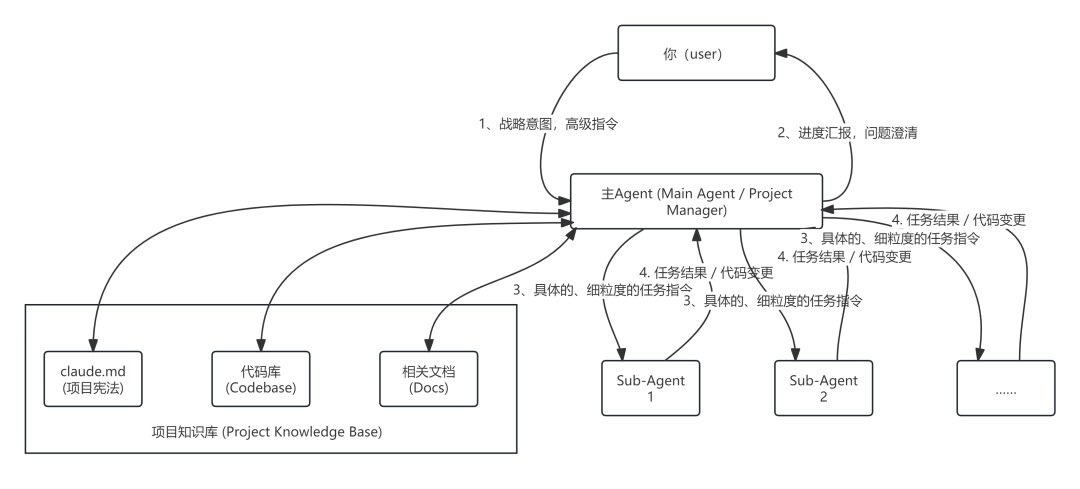
In-depth analysis of the core mechanism of the AI ​​Agent system The background and motivation for the birth of Subagent: When using general-purpose Agent products or tools such as ClaudeCode heavily, you will definitely encounter the situation of opening N more windows, each window doing different things.

However, for the backend, there is still a main Agent to manage all things in the early stage.

At this time, it is necessary to use a similar divide-and-conquer idea to separate planning, communication, context management and delivery, data storage, etc.

based on functions.

If it is not split, it will seriously hinder the execution efficiency of the main Agent, and there will be serious context pollution and cost issues.

At this time, Subagent came into being.

The following are the advantages brought by Subagent: Preserve context: Separate exploration and implementation work from the main dialogue to avoid the main dialogue context being occupied by a large amount of information; Enforce constraints: Based on the concept of SubAgent, tools can be used in a controlled and precise manner, for example, read-only agents cannot modify files; Reuse configurations across projects: user-level Subagent can be reused across all projects; Specialized behavior: customize behavior for specific domains with dedicated system prompts; Control costs: route tasks to faster, cheaper models (such as Haiku);

Visual summary

Article argument map

Generated from the post's content graph

FORMATTOPICCAPABILITYMARKETcoverscoverscoverscoverscoverssignalssignalssignalsFORMATlongform noteTOPICagentsTOPICharness engineeringTOPICmemoryTOPICretrievalTOPICtoolingCAPABILITYagent workflowCAPABILITYharness engineeringCAPABILITYproduct surfaceMARKETopen-source builders
Mermaid outline
flowchart LR
  format-long_post["longform note"]
  topic-agents["agents"]
  topic-harness-engineering["harness engineering"]
  topic-memory["memory"]
  topic-retrieval["retrieval"]
  topic-tooling["tooling"]
  capability-agent-workflow["agent workflow"]
  capability-harness-engineering["harness engineering"]
  capability-product-surface["product surface"]
  market-open-source-builders["open-source builders"]
  format-long_post -->|covers| topic-agents
  format-long_post -->|covers| topic-harness-engineering
  format-long_post -->|covers| topic-memory
  format-long_post -->|covers| topic-retrieval
  format-long_post -->|covers| topic-tooling
  format-long_post -->|signals| capability-agent-workflow
  format-long_post -->|signals| capability-harness-engineering
  format-long_post -->|signals| capability-product-surface

Visual structure

Essay structure map

Built from summary and key paragraph positions

In-depth analysis of the core mechanism of the AI ​​Agent system The background and m...THESISIn-depth analysis ofthe core mechanism ofthe AI ​​Agent systemThe background andSIGNALIn-depth analysis ofthe core mechanism ofthe AI ​​Agent systemThe background andOPERATORbased on functions.IMPLICATIONThe following are theadvantages brought bySubagent: Preservecontext: Separate
Mermaid outline
flowchart LR
  thesis["In-depth analysis of the core mechanism of the AI ​​Agent system The background and motivation for the birt..."]
  signal["In-depth analysis of the core mechanism of the AI ​​Agent system The background and motivation for the birt..."]
  operator["based on functions."]
  implication["The following are the advantages brought by Subagent: Preserve context: Separate exploration and implementa..."]
  thesis -->|frames| signal
  signal -->|develops| operator
  operator -->|lands in| implication

Source: View the original post